
Losing a tooth raises an immediate question that many patients are not prepared to answer: what comes next? The three most common tooth replacement options, implants, dentures, and bridges, each solve the problem differently, and the right choice depends on factors that go beyond cost alone.
Understanding how they compare is the first step, and exploring tooth replacement options with a provider offering dental implants in Massapequa makes it easier to find the right fit.

How Do These Three Options Compare?
Dental Implants
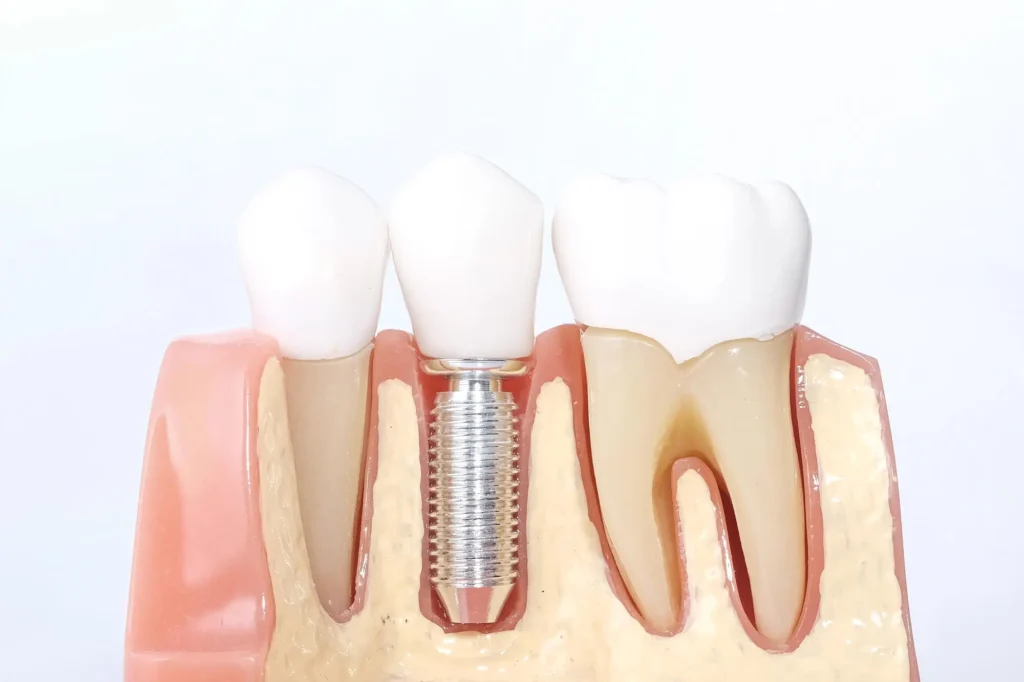
Dental implants are small titanium posts surgically placed into the jawbone to replace missing tooth roots, topped with a custom crown that looks and functions like a natural tooth. With proper care, an implant can last a lifetime, making it the most durable of the three options.
Dental Bridges
A dental bridge fills a gap by anchoring an artificial tooth to the natural teeth on either side, which must be filed down to support the crowns. Bridges are fixed in place and do not require surgery, but they rely on the health of the surrounding teeth and typically last 5 to 15 years.
Dentures
Dentures are removable appliances that replace multiple missing teeth and can cover a full arch or just a section. They are the most affordable upfront option and require no surgery, but they may shift during eating or speaking and typically need replacement every 7 to 10 years.
Side-by-Side: Key Differences at a Glance
Longevity
Dental implants have a 10-year survival rate above 90 percent, and many last 20 to 30 years or longer. Bridges and dentures require more frequent replacement and may involve additional costs over time.
Bone Preservation
One distinction that separates implants from the other two options is bone health. Implant surgery preserves the jawbone by stimulating it the way a natural tooth root would, while bridges and dentures do not address bone loss at all.
Daily Function and Comfort
The following comparison covers how each option performs in everyday life:
- Implants: Function like natural teeth, no dietary restrictions, no removal needed
- Bridges: Fixed and stable, but adjacent teeth are permanently altered to support them
- Dentures: Removable and adjustable, but may require adhesives and feel less secure over time
Which Option Is Best for Different Situations?
When Implants Make the Most Sense
Implants are generally the best long-term investment for patients who have sufficient jawbone density and want a permanent, low-maintenance solution. Implant surgery is an ideal option when dentures or bridgework fit poorly or when preserving adjacent tooth structure is a priority.
When Bridges or Dentures May Be Preferred
Bridges work well when implants are not possible due to insufficient bone or health conditions requiring a non-surgical approach. Dentures remain a practical choice for patients missing most or all of their teeth, especially when combined with implant support for added stability.

Find Expert Dental Implants in Massapequa
At Smile Creations, Dr. Ariel Steinberger and the team bring a personalized, patient-focused approach to every tooth replacement consultation, helping patients understand all available options before making a decision.
Whether the right answer is an implant, a bridge, or another solution entirely, care is tailored to each patient’s health, goals, and lifestyle. Schedule a consultation today and take the first step toward a complete, confident smile.